Key Takeaways
- DIY projects are best suited for small, low-risk tasks like painting, minor repairs, and basic landscaping, where technical expertise is not critical.
- Professional contractors provide higher-quality results, faster completion times, and better long-term durability, especially for complex or structural work.
- Cost savings from DIY can be offset by mistakes, delays, or rework, making professional services more cost-effective in some cases.
- Safety is a major consideration, as exterior projects often involve heights, heavy materials, and specialized tools that require proper training.
- A hybrid approach—handling simple tasks yourself while outsourcing complex ones—can balance cost efficiency and quality.
- Proper planning, budgeting, and understanding project scope are essential regardless of whether you choose DIY or professional help.
- Long-term value and property appeal are often higher when renovations are done correctly the first time, particularly by experienced professionals.
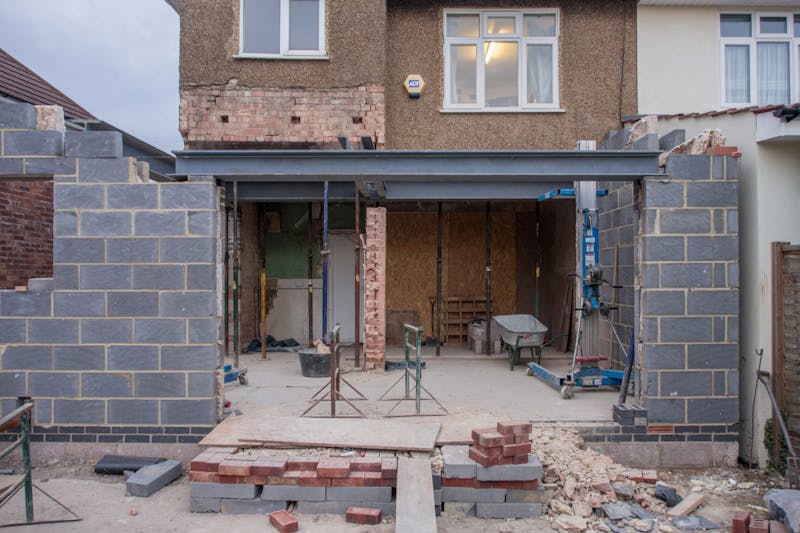
Exterior home renovation is one of the most impactful ways to improve both the appearance and functionality of a property. Whether you’re aiming to boost curb appeal, increase property value, or protect your home from environmental wear and tear, the decisions you make at the outset can significantly influence the outcome.
One of the most important choices homeowners face is whether to take the do-it-yourself (DIY) route or hire professional contractors. While DIY projects can be appealing due to perceived cost savings and personal satisfaction, professional renovation offers expertise, efficiency, and long-term reliability that can be difficult to replicate.
This article explores the key differences between DIY and professional exterior home renovation, helping you make an informed decision based on your goals, budget, and level of experience.
Understanding Exterior Home Renovation
Exterior renovation encompasses a wide range of improvements designed to enhance the outside of your home. These projects can range from simple cosmetic updates to complex structural upgrades.
Common exterior renovation projects include:
- Roofing repairs or replacements
- Exterior painting and siding installation
- Driveway and walkway improvements
- Fence and gate installations
- Landscaping and outdoor lighting
- Gutter installation and drainage solutions
Each of these tasks requires varying levels of skill, tools, and time commitment. Understanding the scope of your project is the first step in deciding whether DIY or professional help is the better path.
Why Do Homeowners Choose DIY?
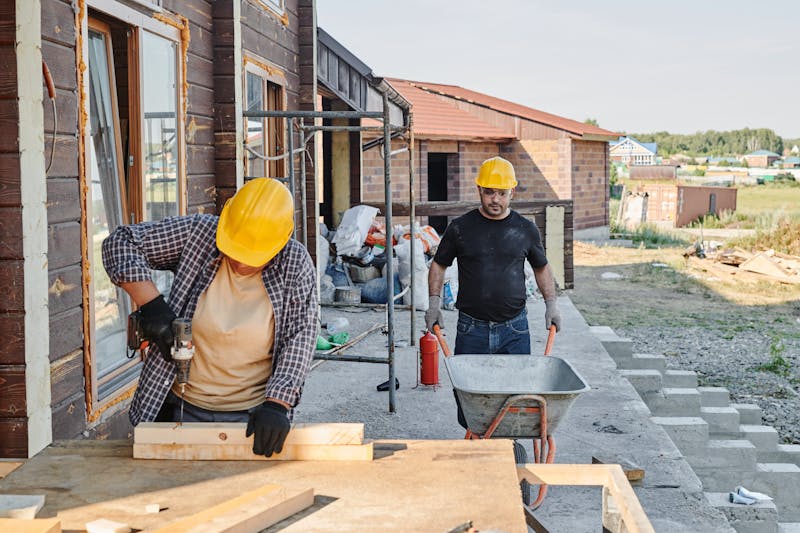
DIY renovation has gained popularity due to the accessibility of online tutorials, affordable tools, and the growing culture of self-sufficiency. However, the appeal goes beyond convenience.
Is DIY Really More Cost-Effective?
Many homeowners turn to DIY primarily to save money. By eliminating labor costs, you can significantly reduce upfront expenses. For smaller projects like painting or minor repairs, this can be a practical approach.
However, cost savings depend on execution. Mistakes, material waste, and the need to redo work can quickly erase any financial advantage.
The Satisfaction of Doing It Yourself
There’s a sense of pride that comes from completing a project with your own hands. DIY allows homeowners to:
- Customize every detail according to their preferences
- Work at their own pace without relying on contractor schedules
- Gain new skills and hands-on experience
For those who enjoy hands-on work, this process can be both rewarding and educational.
When Does DIY Make Sense?
Not all renovation tasks are created equal. Some are well-suited for DIY, while others require professional expertise.
Ideal Projects for DIY
DIY works best for low-risk, straightforward projects such as:
- Painting exterior walls or fences
These tasks require basic tools and can be completed with proper preparation and patience. - Simple landscaping improvements
Activities like planting shrubs or maintaining lawns can be managed without specialized skills. - Minor repairs and maintenance
Fixing small cracks, replacing fixtures, or sealing gaps are manageable for most homeowners.
These projects allow you to improve your home without exposing yourself to significant risks or technical challenges.
What Are the Risks of DIY Exterior Renovation?
While DIY can be rewarding, it comes with potential downsides that shouldn’t be overlooked.
Lack of Technical Expertise
Exterior renovations often involve structural components, weatherproofing, and material compatibility. Without proper knowledge, you risk:
- Improper installation that leads to long-term damage
- Reduced durability and performance
- Voiding warranties on materials
Safety Concerns
Working on roofs, handling power tools, or dealing with electrical components can be dangerous. Without proper training and safety equipment, accidents become a real possibility.
Time Commitment
DIY projects often take longer than expected. What starts as a weekend project can stretch into weeks, especially if you encounter unexpected challenges.
Why Hire Professionals for Exterior Renovation?
Professional contractors bring experience, efficiency, and accountability to renovation projects. While the upfront cost may be higher, the long-term benefits often justify the investment.
What Do Professionals Bring to the Table?
Hiring professionals offers several advantages:
- Expert knowledge
Contractors understand building codes, materials, and best practices, ensuring high-quality results. - Efficient project management
Professionals can complete projects faster due to their experience and access to resources. - Access to specialized tools
Many exterior renovations require equipment that is expensive or impractical for homeowners to purchase. - Warranty and accountability
Reputable contractors provide warranties, giving you peace of mind in case issues arise.
Are Professionals Always the Better Choice?
Not necessarily. The decision depends on several factors, including the complexity of the project and your personal circumstances.
Situations Where Hiring Professionals Is Essential
Certain projects should almost always be handled by professionals:
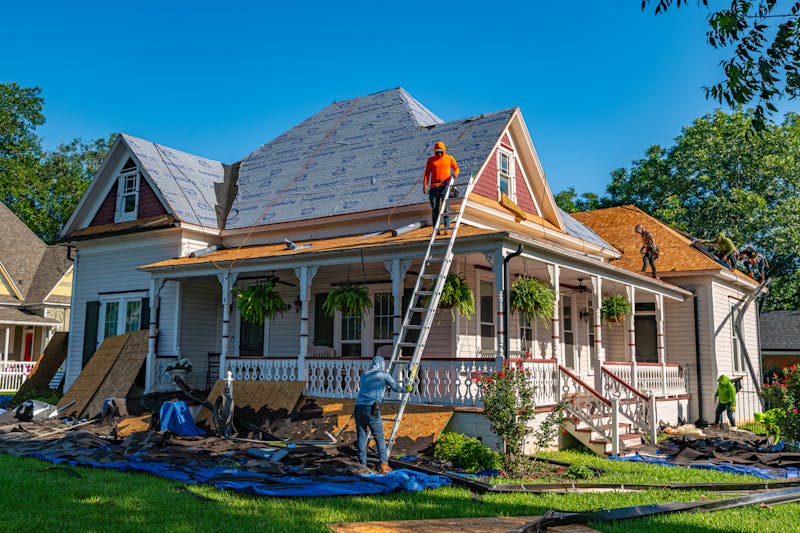
- Roofing installation or major repairs
Mistakes in roofing can lead to leaks, structural damage, and costly repairs. - Structural changes
Altering load-bearing elements requires engineering knowledge and compliance with regulations. - Electrical and plumbing work
These systems must meet safety standards and local codes. - Large-scale renovations
Projects involving multiple components are best managed by experienced contractors.
Attempting these tasks without proper expertise can result in serious consequences.
Comparing Costs: DIY vs. Professional Work
Cost is often the deciding factor for homeowners, but it’s important to look beyond initial expenses.
DIY Cost Breakdown
DIY expenses typically include:
- Materials and supplies
- Tools and equipment
- Permits (if required)
While labor is “free,” your time has value. Additionally, errors can lead to extra costs.
Professional Cost Breakdown
Hiring professionals involves:
- Labor costs
- Material sourcing (often at discounted rates)
- Project management fees
Although more expensive upfront, professional work often reduces the likelihood of future repairs.
Which Option Offers Better Value?
In many cases, professional renovation provides better long-term value due to durability, efficiency, and reduced risk. However, for smaller projects, DIY can still be a cost-effective choice.
How Do You Decide Between DIY and Professional Help?
Making the right decision requires careful evaluation of your situation.
Key Questions to Ask Yourself
- Do I have the necessary skills and experience?
- Do I have enough time to complete the project?
- What are the risks if something goes wrong?
- Is this project structurally or technically complex?
- What is my overall budget?
Your answers will help determine whether DIY or professional assistance is the better option.
Can You Combine DIY and Professional Work?
A hybrid approach is often the most practical solution.
What Is a Hybrid Renovation Approach?
This method involves handling simpler tasks yourself while hiring professionals for more complex aspects.
For example:
- You can paint exterior walls while leaving structural repairs to experts
- You can manage landscaping while hiring contractors for drainage systems
This approach allows you to save money while ensuring critical work is done correctly.
Planning Your Renovation Project
Regardless of your chosen approach, proper planning is essential for success.
Steps to Get Started
- Define your goals and priorities
Identify what you want to achieve and focus on high-impact improvements. - Set a realistic budget
Account for both expected and unexpected expenses. - Create a timeline
Plan each phase of the project to avoid delays. - Research materials and techniques
Choose options that suit your climate and long-term needs.
Good planning minimizes risks and ensures a smoother renovation process.
How Does Renovation Impact Property Value?
Exterior upgrades play a major role in increasing a home’s market value.
Key Benefits of Exterior Renovation
- Improved curb appeal
A well-maintained exterior creates a strong first impression. - Enhanced functionality
Upgrades like better drainage or durable materials improve usability. - Increased resale value
Buyers are more likely to invest in homes that require minimal additional work.
Professional renovations often yield higher returns due to their quality and reliability.
What Role Does Maintenance Play After Renovation?
Renovation doesn’t end when the project is completed. Ongoing maintenance is crucial to preserving your investment.
Consistent upkeep ensures that improvements remain effective and visually appealing over time. This includes regular inspections, cleaning, and repairs.
Incorporating routines like lawn and garden maintenance helps maintain the overall appearance of your property while preventing minor issues from escalating into costly problems.
How to Avoid Common Renovation Mistakes
Both DIY enthusiasts and those working with professionals can fall into common traps.
Mistakes to Watch Out For
- Underestimating costs
Always include a contingency budget for unexpected expenses. - Choosing the wrong materials
Select materials that are suitable for your local climate and conditions. - Ignoring permits and regulations
Failing to comply with local requirements can result in fines or project delays. - Rushing the process
Quality work takes time, whether you’re doing it yourself or hiring professionals.
Avoiding these mistakes can save time, money, and frustration.
Are There Long-Term Differences in Quality?
The quality of your renovation has a direct impact on its longevity.
DIY Quality Considerations
DIY results depend heavily on your skill level and attention to detail. While some homeowners achieve excellent outcomes, others may struggle with consistency and durability.
Professional Quality Standards
Professionals follow industry standards and use proven techniques, resulting in:
- Better structural integrity
- Longer-lasting materials and finishes
- More consistent workmanship
In most cases, professional work offers greater reliability over time.
How Do Trends Influence Your Renovation Choices?
Exterior design trends can influence both DIY and professional projects.
Popular Trends to Consider
- Energy-efficient materials
- Sustainable and eco-friendly designs
- Modern color palettes and finishes
- Smart outdoor lighting systems
While trends can enhance your home’s appeal, it’s important to prioritize functionality and longevity over aesthetics alone.
What About Sustainability in Exterior Renovation?
Sustainability is becoming an important consideration for homeowners.
Eco-Friendly Renovation Practices
- Using recycled or sustainable materials
- Improving insulation and energy efficiency
- Installing water-saving landscaping systems
Whether you choose DIY or professional work, incorporating sustainable practices can reduce environmental impact and lower long-term costs.
Is DIY Suitable for Large-Scale Projects?
Large-scale renovations present unique challenges that often exceed the capabilities of DIY.
These projects require coordination, specialized knowledge, and compliance with regulations. Attempting them without professional assistance can lead to delays, safety risks, and increased costs.
For homeowners aiming for a budget-friendly renovation, it’s important to recognize that cutting corners on major projects can result in higher expenses in the long run.
Final Thoughts: Making the Right Choice for Your Home
Choosing between DIY and professional exterior home renovation is not a one-size-fits-all decision. Each approach has its advantages and limitations, and the best choice depends on your specific needs, skills, and resources.
DIY can be a practical and rewarding option for smaller, low-risk projects, offering cost savings and personal satisfaction. On the other hand, professional renovation provides expertise, efficiency, and long-term reliability, making it the preferred choice for complex or high-stakes work.
Ultimately, the goal is to achieve a result that enhances your home’s value, functionality, and appearance. By carefully evaluating your options and planning accordingly, you can ensure that your exterior renovation project is both successful and worthwhile.