A complete backyard upgrade can transform an underused property into a space for relaxing, entertaining, swimming, dining, and spending time with family. However, combining several improvements requires more than choosing attractive features individually. The placement of one element can affect drainage, access, landscaping, lighting, construction schedules, and future maintenance.
Whether the goal is a complete outdoor transformation or a major pool-area renovation, thoughtful preparation can make the project more organized. Evaluating the existing property, establishing priorities, coordinating contractors, and considering long-term maintenance can help create an outdoor space that works well for years to come.
Evaluate the Existing Yard Before Designing New Features
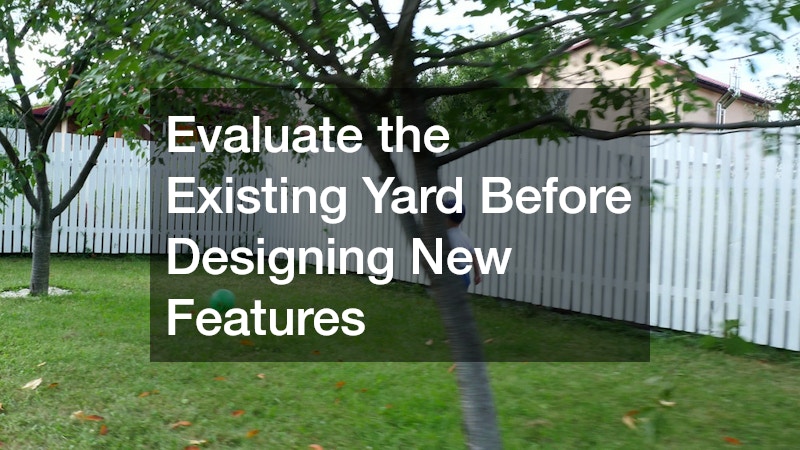
Before choosing new backyard features, take time to understand the condition of the property. Existing drainage, grading, trees, structures, patios, pools, utilities, and landscaping can all affect what is practical. A detailed site assessment can also reveal problems that should be addressed before cosmetic improvements begin.
Construction itself can disturb soil and create temporary runoff concerns. Silt fences may be appropriate around certain active construction areas to help manage displaced soil and sediment. The specific erosion-control measures needed will depend on the property, project, local requirements, and site conditions.
Start the planning process by:
- Identifying existing drainage problems.
- Locating structures and known underground utilities.
- Marking landscaping that should remain.
- Inspecting slopes and areas vulnerable to erosion.
- Determining which existing features can be incorporated into the new design.
- Discussing site preparation with contractors before work begins.
A site assessment also helps homeowners establish realistic priorities. For example, correcting a drainage issue may need to happen before installing a new patio or planting beds. Addressing underlying property conditions first can create a more stable foundation for the rest of the renovation.
Establish Pool Safety Requirements Before Construction
Pool safety should be incorporated into the design before construction begins rather than treated as an afterthought. The location of the pool, surrounding deck, access points, landscaping, furniture, and other backyard features can all influence how people enter and move around the swimming area.
Fences for pools are one consideration when planning controlled access around a residential swimming area. Homeowners should review applicable local requirements and discuss the appropriate design with qualified professionals. Requirements can address factors such as height, access points, gates, and other safety characteristics.
Before finalizing the backyard layout, consider:
- Where children and guests will enter the pool area.
- How access can be controlled.
- Where fencing will fit within the overall landscape.
- Whether gates need specific safety features.
- How landscaping could affect visibility or access.
- How maintenance personnel will reach pool equipment.
Planning these details early can prevent conflicts later. A fence or access point may need to be installed before certain landscaping or hardscaping is completed, so the installation sequence matters.
Safety features should also complement the overall appearance of the backyard. With thoughtful planning, homeowners can incorporate necessary protections into the design without making them feel disconnected from the rest of the outdoor space.
Design Entry Points That Balance Security and Style
Backyard access deserves attention when planning a complete renovation. Gates can serve several purposes, including controlling access, protecting private areas, accommodating maintenance equipment, and creating a finished transition between the home and surrounding property.
Metal gates can provide a durable option for certain residential properties and can be designed to complement fencing, landscaping, architectural details, and other exterior features. However, appearance should not be the only consideration. Gate placement and operation can have a significant effect on how functional the backyard is.
Consider these factors before selecting a gate:
- Who needs regular access to the property?
- Will large equipment need to pass through?
- Should service access be separate from guest access?
- Where should locking hardware be located?
- How will the gate interact with nearby landscaping?
- Does the opening provide enough clearance?
Homeowners should also think about how frequently each entry point will be used. A gate that looks attractive but is difficult to operate can become frustrating over time.
Coordinating gates with fencing, walkways, lighting, and landscaping can create a more cohesive result. Making these decisions before surrounding features are installed also gives contractors more flexibility to complete the project efficiently.
Build the Landscape Around How You Use Your Yard

Landscaping should be designed around the way the household intends to use the backyard. A family that regularly entertains may need open gathering areas, while another household may prioritize gardens, privacy, recreation, or quiet spaces.
A backyard landscaping service can help homeowners develop a cohesive plan when the project involves multiple planting, grading, irrigation, or outdoor-design considerations. Professional input can be particularly useful when landscaping must coordinate with a pool, drainage system, patio, fencing, or other major improvements.
Before choosing plants and other landscape features, determine:
- Which areas will be used for entertaining.
- Where shade or privacy is needed.
- How much lawn should remain.
- Which plants are appropriate for local conditions.
- How mature plants will affect the space.
- How much maintenance the household is willing to handle.
Think about the finished yard as a series of connected spaces rather than individual projects. Walkways should connect important areas, planting beds should complement structures, and drainage should be considered before finalizing grades.
Maintenance is another important part of the design. A landscape that requires constant attention may not be practical for a busy household. Choosing appropriate plants and organizing the property around actual use can create an outdoor environment that remains enjoyable rather than becoming another source of work.
Layer Outdoor Lighting for Safety and Atmosphere
Lighting can significantly change how a backyard looks and functions after sunset. It can help illuminate pathways, steps, gathering areas, landscaping, and selected architectural features while also creating a more comfortable atmosphere for evening activities.
Outdoor lighting companies can assist homeowners with developing a coordinated lighting plan, particularly when a project includes multiple areas that need different types of illumination. Professional planning can also help coordinate wiring and fixture placement with landscaping and hardscaping.
A comprehensive lighting plan can address:
- Pathways and steps.
- Pool and surrounding areas.
- Patios and outdoor dining spaces.
- Entry gates and access points.
- Landscape features.
- Outdoor structures.
- Areas where additional visibility is useful.
Avoid relying on one bright light to illuminate the entire backyard. Layered lighting can provide better visual balance while allowing homeowners to highlight specific areas.
Lighting should also be planned before construction is complete. Installing wiring, fixtures, or connections after new landscaping and hardscaping are finished may require additional disruption. Coordinating lighting with the rest of the project can make installation more efficient and give homeowners greater control over the finished appearance.
Remove Outdated Hardscaping Before Building New Areas
Existing concrete can become a significant obstacle when a backyard is being redesigned. Cracked patios, unused walkways, old slabs, or poorly positioned surfaces may no longer fit the planned layout. Leaving them in place can restrict design options and create awkward transitions between old and new features.
Concrete removal should therefore be considered early when existing hardscaping needs to be replaced. The work can affect surrounding soil, drainage, landscaping, and access, so it should be coordinated with the contractors responsible for the next stage of the project.
Before removing an existing surface, determine:
- Which areas genuinely need to be demolished.
- Whether any concrete can remain and be incorporated.
- How debris will be removed.
- How surrounding plants and structures will be protected.
- Whether the underlying grade needs adjustment.
- What will replace the removed surface.
Timing also matters. Removing concrete too early can leave parts of the property unusable for an extended period, while waiting too long can delay subsequent work. Coordinating demolition with site preparation and installation schedules can keep the broader renovation moving forward.
Establish a Pool Maintenance Plan Before Completion
A pool should be designed with maintenance in mind, not simply appearance. Pool size, surrounding vegetation, usage, equipment location, water features, and deck design can all affect how much ongoing attention the space requires.
Pool cleaners may be part of a homeowner’s overall maintenance approach, whether referring to cleaning equipment or professional cleaning services. The appropriate solution depends on the pool’s design, usage, debris levels, and owner’s preferences.
Before the pool project is completed, consider:
- Who will handle routine cleaning?
- How will you manage leaves and other debris?
- Where will pumps and filters be located?
- Is equipment easily accessible for service?
- How often should the pool receive professional attention?
- How will nearby landscaping affect maintenance?
Homeowners should also establish basic maintenance routines before the pool becomes a regular part of daily life. Understanding what needs to be checked, cleaned, serviced, and monitored can make ownership more predictable and help protect the investment.
Define the Pool Design Around Your Lifestyle
A pool renovation or new installation should begin with a clear understanding of how the household expects to use it. A pool intended primarily for exercise may need different features than one designed around entertaining, family recreation, relaxation, or a combination of activities.
The term luxury pool can describe many different approaches, so homeowners should avoid assuming that more features automatically create a better design. A well-planned pool should reflect the property’s layout and the household’s actual priorities.
Start by asking:
- How many people will regularly use the pool?
- Will swimming or exercise be a priority?
- Will the area be used for entertaining?
- Are shallow areas important?
- Is shade needed near the water?
- Which features are worth their maintenance requirements?
Think beyond the initial installation as well. Features that seem appealing during the design process may require additional maintenance, specialized equipment, or future repairs. Evaluating those considerations beforehand can help homeowners choose improvements that remain useful long after the renovation is complete.
Restore Pool Surfaces Before Adding Finishing Touches
The condition of an existing pool surface should be evaluated before surrounding improvements are finalized. A deteriorated or heavily worn surface can affect the appearance of an otherwise updated backyard and may need attention before homeowners invest in additional finishing touches.
Pool coating services may be an option for certain pool surfaces, depending on the existing material, its condition, compatibility with the proposed coating, and the recommendations of qualified professionals. Surface preparation and application requirements can vary, so homeowners should obtain a professional evaluation before selecting an approach.
When evaluating the pool surface:
- Look for visible deterioration or unusual roughness.
- Check for discoloration or areas of wear.
- Ask about the condition of the underlying surface.
- Determine whether repairs are needed before coating.
- Discuss appropriate products and application methods.
- Coordinate the work with other pool renovations.
Homeowners should also consider the finished appearance alongside durability and maintenance. Selecting a surface based only on color or texture may overlook practical considerations. A professional assessment can help determine which options are appropriate for the pool’s existing condition and intended use.
Choose Water-System Upgrades With Long-Term Maintenance in Mind
Water-management decisions can have a lasting effect on pool ownership. When upgrading a backyard, homeowners may consider whether existing equipment still meets their needs or whether a different sanitation approach would make sense for the renovated pool.
Salt systems are one option homeowners may evaluate when considering pool sanitation. Their suitability depends on the pool, existing equipment, installation requirements, maintenance preferences, and other factors. A qualified pool professional can assess compatibility and explain what ongoing care a particular system requires.
Before selecting a water-system upgrade, review:
- The existing pool equipment.
- Compatibility with the proposed system.
- Installation requirements.
- Routine maintenance needs.
- Equipment access for future service.
- Long-term replacement considerations.
It’s useful to make water-system decisions before the surrounding renovation is complete. Equipment placement, plumbing connections, electrical requirements, and access can affect other aspects of the design. Coordinating these elements from the beginning can reduce the need to modify finished areas later.
A complete backyard upgrade works best when every improvement is considered as part of a larger plan. Evaluating existing property conditions, establishing safety requirements, planning access points, designing landscaping, and coordinating lighting can create a stronger foundation before construction begins. Addressing outdated hardscaping and considering pool maintenance can also prevent practical issues from being overlooked.
Most importantly, the finished backyard should reflect the household’s actual needs. Careful preparation can help homeowners create an outdoor space that feels cohesive, functions efficiently, and remains enjoyable long after the final construction work is finished.