
Every family deserves a home that offers a sanctuary from the unpredictable weather outside. You step through your front door expecting a consistent, comforting climate, only to discover that your living room feels like a tropical greenhouse while your home office resembles an Arctic tundra. This frustrating phenomenon, known as thermal dysregulation, is far more common than many homeowners realize. When temperatures fluctuate wildly from one room to another, or when your climate control systems struggle continuously without providing relief, your everyday comfort takes a major hit. Beyond the immediate physical discomfort, thermal imbalance puts an unnecessary strain on your household finances by driving up utility bills and accelerating the wear and tear on your essential climate systems.
Mechanical Failures and Climate System Inefficiencies
Schedule Regular System Maintenance Checks
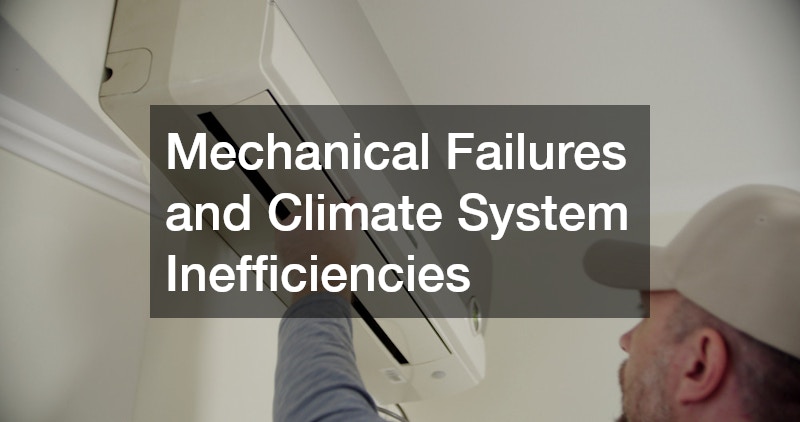
The primary engine behind your indoor comfort is your mechanical climate equipment. When these systems operate below peak efficiency, heat distribution becomes erratic, leading to noticeable cold patches or localized overheating. Over time, mechanical components collect dust, lose lubrication, or experience electrical degradation, all of which reduce airflow and output consistency. To prevent subtle mechanical failures from disrupting your family, establish a rigid seasonal inspection routine. Engaging a licensed HVAC contractor to inspect, clean, and calibrate your mechanical hardware every spring and autumn ensures that potential issues are identified before they turn into full-scale system breakdowns.
Airflow Obstructions and Filter Management
Even a powerful mechanical system cannot keep your indoor climate steady if airflow is restricted. Air filters accumulate dust, pet dander, and household debris over time, eventually choking off the volume of conditioned air reaching your living quarters. This restriction forces your blower motor to work harder while delivering a fraction of the necessary air, creating severe temperature imbalances across different zones of the house.
-
Clean or replace air filters every thirty to sixty days to ensure unimpeded air movement through your duct system.
-
Inspect supply registers and return grilles in every room to confirm they are completely open and unblocked by furniture, drapes, or rugs.
-
Vacuum air vents regularly to prevent dust accumulation from entering the main airflow streams.
Ductwork Leaks and Thermal Distribution Loss
Conditioned air must travel through a vast network of hidden ducts before reaching your living spaces. When these air ducts develop small punctures, separated joints, or unsealed connections, a substantial portion of your heated or cooled air escapes into unconditioned spaces like attics, crawlspaces, or wall cavities. This loss forces your equipment to run longer cycles, leaving distant bedrooms feeling uncomfortable while central areas overheat. Schedule an annual inspection to evaluate duct integrity, ensuring all seams are taped and properly insulated to maintain air delivery pressure.
Seasonal Heating Delivery and Fuel Management
During colder months, houses relying on central combustion burners require a steady, uninterrupted supply of energy to maintain equilibrium. If your fuel supply drops low or becomes contaminated with sediment, combustion efficiency plummets, leading to sudden drops in furnace output and rapid cooling across your home. If your system depends on heating oil, monitor tank levels consistently throughout the winter to avoid air locks in the fuel lines. Scheduling timely fuel deliveries and replacing fuel filters annually guarantees that your combustion furnace operates smoothly without unexpected interruptions when outdoor temperatures drop.
Cooling Performance and Refrigerant Integrity
Summer heat waves quickly expose weaknesses in your home cooling apparatus. When cooling performance declines, rooms directly exposed to sunlight become uncomfortable while shaded rooms remain damp and chilly. Lowered cooling capacity often stems from dirty outdoor condenser coils, failing capacitors, or minor leaks within the closed refrigerant loops. Arranging for professional AC service prior to the summer heat ensures that refrigerant levels are precisely charged and heat exchange coils are thoroughly washed, allowing your system to pull heat out of your living spaces effectively.
Insulation Deficiencies and Air Leakage Across the Building Envelope
Air Sealing and Envelope Tightness
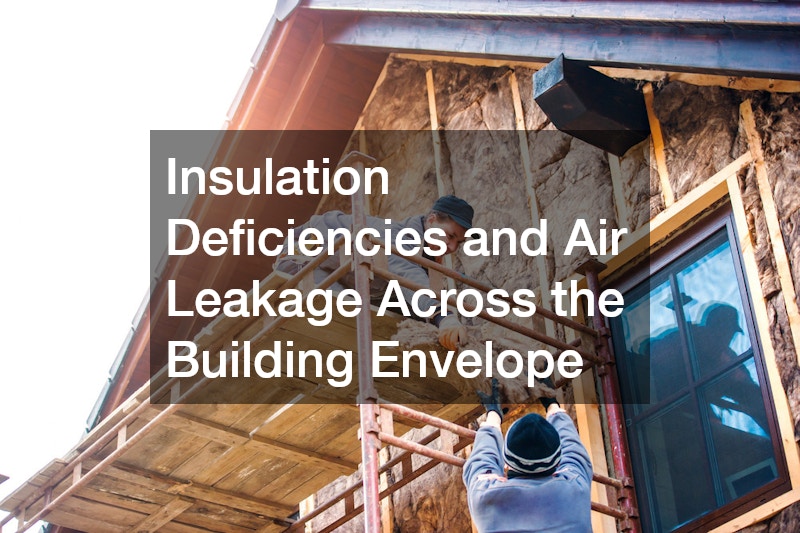
A house acts like a protective jacket for your family, but gaps in the outer envelope allow conditioned air to exfiltrate while raw outdoor air pulls inside. This process, known as air leakage, is one of the leading contributors to unpredictable draftiness and temperature swings.
-
Apply high-grade silicone or acrylic caulk around all interior window frames, baseboards, and exterior wall penetrations.
-
Install heavy-duty weatherstripping along the perimeter of exterior doors to form a tight compression seal when closed.
-
Place foam gaskets behind electrical outlet covers and light switches on all exterior-facing walls.
-
Use expanding foam sealant around plumbing pass-throughs beneath kitchen and bathroom sinks.
Wall and Ceiling Insulation Integrity
Insulation serves as a thermal barrier that slows down heat transfer between the interior and exterior environments. Over time, original builder-grade insulation can settle, absorb moisture, or become displaced by minor pest activity, leaving large uninsulated pockets inside your walls and ceilings. During winter, interior heat rapidly conducts outward through these voids, whereas summer heat radiates inward unobstructed. Inspecting your attic insulation depth and verifying that wall cavities are fully packed with dense material prevents conductive heat loss and maintains uniform room temperatures.
Thermal Bridging and Structural Conduction
Thermal bridging occurs when dense building materials, such as solid wood framing studs or metal fasteners, extend uninterrupted from the interior living space to the exterior cladding. Because these materials conduct heat much faster than surrounding insulation, they act as highways for heat energy to escape or enter. To combat thermal bridging, consider installing rigid foam insulation boards over exterior wall framing during siding updates, or add continuous insulated sheathing across exposed attic floor joists to create an unbroken barrier against heat transfer.
Stack Effect and Vertical Air Movements
In multi-story homes, natural physics works continuously to disrupt your indoor comfort through a process known as the stack effect. Warm air naturally rises toward upper levels, creating a positive pressure zone near the top of the house that forces heated air out through ceiling cracks and attic hatches. This rising air creates a subtle vacuum at the ground level, pulling cold, unconditioned air inward through basement crevices, sill plates, and lower-level window frames.
-
Seal all ceiling penetrations, light fixtures, and attic access panels on the top floor to stop warm air exfiltration.
-
Insulate and air-seal the rim joists and foundation sill plates in the basement to block cold air infiltration.
-
Utilize ceiling fans running at low speeds in reverse during winter to gently push warm upper air back down into living areas.
Window, Exterior Door, and Perimeter Opening Vulnerabilities

Window Frame Sealing and Glass Performance
Glass is an exceptional conductor of thermal energy, making windows one of the most significant thermal weaknesses in any home. Single-pane glass or aged double-pane units with failed seals allow winter cold to radiate directly into rooms, while summer solar radiation passes through unhindered. When glass surfaces chill or heat the air immediately surrounding them, localized convection currents form, creating uncomfortable drafts even when the window itself is completely shut. Upgrading outdated glass fixtures to modern double or triple-pane replacement windows equipped with low-emissivity coatings dramatically reduces radiant heat transfer and helps maintain stable wall-to-wall indoor temperatures.
Entryway Sealing and Door Assembly Management
Exterior entry doors receive heavy daily use, which gradually compresses weatherstripping, loosens hinge screws, and alters frame alignment. When a door sags or its seals wear out, daylight becomes visible around the edges, signalling a direct path for air exchange. Regularly adjusting door latches, replacing worn threshold sweeps, and installing storm doors create an insulating air buffer that shields your primary living zones from harsh exterior temperature shifts.
Large Threshold Transitions and Attached Structures
Attached structures like storage rooms, sunrooms, and large vehicular bays represent massive thermal boundaries that are frequently overlooked. The expansive openings associated with these spaces allow tremendous amounts of cold or hot air to flood in whenever they are opened, chilling or overheating adjacent interior rooms through shared wall structures. Performing prompt garage door repair to fix broken weather seals, realign tracks, and replace damaged bottom gaskets prevents external air from saturating the garage cavity and pulling heat directly away from neighboring living spaces.
Window Coverings and Solar Heat Control
Direct solar radiation through unshaded glass can cause sudden, extreme temperature spikes in specific rooms, throwing off central thermostats and leaving non-sunny rooms feeling cold.
-
Install cellular thermal shades that trap air within honeycomb pockets to block solar heat gain during summer and insulate against winter chills.
-
Use heavy velvet or thermal-lined drapes across large glass sliding doors to create a secondary thermal barrier.
-
Close south and west-facing window blinds during peak afternoon sun to prevent radiant overheating.
-
Apply reflective or tinted window films to high-exposure glass surfaces to reduce ultraviolet and infrared radiation entering the home.
Roof Performance, Attic Ventilation, and Solar Exposure
Attic Ventilation and Thermal Balancing
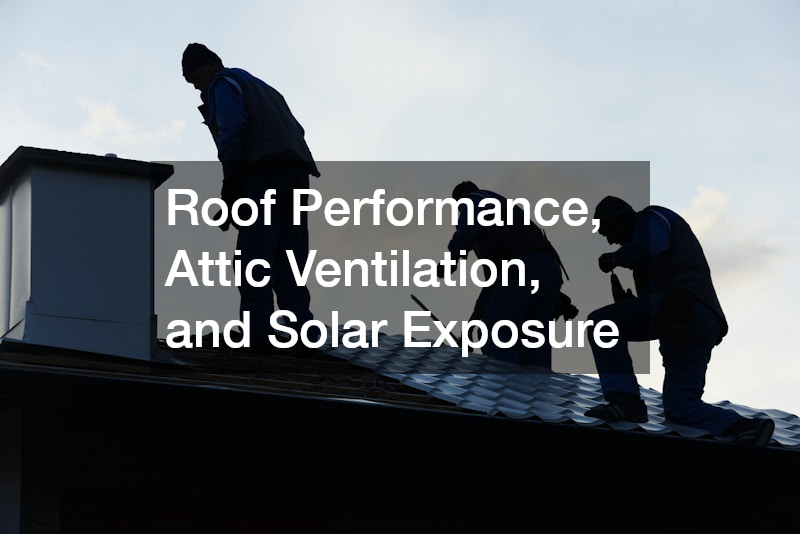
Your roof structure is exposed to the elements constantly, bearing the brunt of intense summer sun and freezing winter precipitation. Without proper attic ventilation, extreme temperatures accumulate in the overhead space directly above your ceiling. In summer, attic temperatures can easily exceed one hundred and forty degrees Fahrenheit, baking down through ceiling insulation into upper bedrooms. In winter, trapped moisture and heat can cause ice dams and roof deterioration. Ensuring continuous ridge vents and soffit intakes are clear allows fresh air to sweep away excess heat and moisture, maintaining a stable thermal buffer above your family.
Inspecting Roof Covering Structural Conditions
When shingles become cracked, curled, or missing, weather exposure degrades the underlying decking and insulation layers. Water intrusion from compromised roof surfaces destroys the thermal resistance value of wet insulation, turning a protective layer into a thermal drain that pulls heat right out of your home. Scheduling annual evaluations with local roofing services ensures that minor shingle damage or flashing degradation is spotted and repaired before moisture damages your insulation and destabilizes your home climate.
Targeted Structural Moisture and Leak Interventions
Even localized roof leaks cause disproportionate thermal issues. When rain penetrates flashing around chimneys, plumbing stacks, or roof valleys, it migrates down rafters and saturates insulation panels. Wet insulation loses up to ninety percent of its insulating capacity, leading to dramatic cold spots on ceilings underneath the leak site. Executing timely roof repair as soon as minor leaks are detected protects your attic insulation from moisture saturation, keeping its thermal barrier fully intact to regulate household temperatures effectively.
Drainage Control and Thermal Envelope Protection
Water management around your roofline directly affects the thermal performance of your upper exterior walls. When roof drainage systems clog or overflow, water cascades down siding, soaking exterior wall sheathing and eroding window frame seals. This moisture saturation lowers wall thermal efficiency and creates rot that invites severe air leaks.
-
Clean leaves and debris out of roof drainage channels at least twice a year to maintain unrestricted water flow.
-
Verify that downspouts extend at least five feet away from your foundation to prevent water pooling near structural footings.
-
Perform a full gutter replacement if your existing channels are rusted, sagging, or undersized for your roof area, preventing water overflow from damaging wall insulation.
Complete Overhead Envelope Restructuring
When an aging roof reaches the end of its useful lifespan, piecemeal repairs are no longer sufficient to maintain home energy efficiency and moisture defense. Old, multi-layered roofs absorb excessive heat, suffer from chronic micro-leaks, and often hide severely degraded attic deck boards that bleed thermal energy year-round. Investing in a full roof replacement allows you to install modern high-reflectivity shingles, advanced waterproof underlayments, and continuous thermal ridge ventilation, fundamentally transforming your home top-level protection and stabilizing room temperatures throughout every season.
Ground Level Boundaries, Basements, and External Slabs
Foundation Wall Insulation and Moisture Vapor Control
Basements and ground-level crawlspaces sit directly against the earth, which maintains a cold, damp temperature year-round. Concrete foundation walls are highly porous and act as thermal conductors, continuously pulling heat out of lower living spaces through a process called thermal bridging. Uninsulated basement walls leave the floor joists and first-floor living spaces feeling cold and drafty regardless of how high you set the thermostat. Installing rigid foam insulation boards along interior foundation walls and applying a vapor barrier across dirt crawlspace floors stops ground moisture from evaporating into your home and keeps lower floors comfortably warm.
Perimeter Slab Maintenance and Soil Dynamics
The structural concrete slabs surrounding your home’s foundation, such as driveways, walkways, and patio pads, play a surprisingly critical role in your home’s thermal boundary. When ground movement or poor drainage causes outdoor concrete slabs to settle or pitch toward the foundation, rainwater is directed straight into your basement walls and perimeter footings. This continuous moisture exposure saturates the soil beneath your home, drastically increasing thermal conduction through your foundation.
-
Inspect ground-level perimeter slabs for cracks or improper slopes that funnel water toward your exterior walls.
-
Hire professional concrete services to mudjack, level, or seal sunken exterior slabs, redirecting water runoff safely away from your home’s foundation.
-
Fill expanding expansion joints between exterior concrete pads and your foundation wall with waterproof flexible caulking.
Rim Joist Sealing and Subfloor Protection
The rim joist area, where your wood floor framing rests on top of the concrete foundation wall, is one of the most prolific sites for cold air infiltration. Because this boundary involves multiple dissimilar materials coming together, expansion and contraction create gaps that draw cold outdoor air directly beneath your ground-floor living spaces. Spraying closed-cell expanding foam along the entire inner rim joist perimeter seals every tiny crack while providing high-density thermal insulation, keeping your main-level floors warm underfoot during cold winter mornings.
Strategic Landscaping and External Shading
The environment immediately surrounding your home’s exterior offers a powerful tool for controlling seasonal temperature swings. Unshaded south- and west-facing exterior walls absorb immense thermal energy from afternoon sun, transferring heat through the wall assembly into your living spaces long after the sun goes down.
-
Plant deciduous shade trees along the south and west elevations to shade your roof and walls during summer while letting winter sunlight pass through.
-
Plant dense evergreen shrubs along north-facing walls to create a natural windbreak that dampens chilling winter gusts.
-
Maintain a two-foot clear clearance between foundation plantings and exterior walls to promote air circulation and prevent moisture buildup against your home’s siding.
Maintaining a stable, welcoming climate throughout your home is essential for your family’s everyday happiness and well-being. By recognizing that indoor thermal dysregulation is caused by a combination of mechanical limitations, air leaks, insulation gaps, and exterior structural vulnerabilities, you gain the power to address these issues systematically. Whether you are sealing small air gaps around windows, clearing roof drainage channels, upgrading insulation, or servicing your central heating and cooling equipment, each step you take brings your home closer to total thermal harmony.