Older homes have character, history, and often better craftsmanship than many newer builds—but they also come with quirks that can quietly drain money and energy. Drafty rooms, creaky floors, unexplained moisture smells, and utility bills that never seem to drop are common frustrations. The good news is that strengthening and modernizing an older home doesn’t require a full gut renovation or a six-figure budget.
The most effective upgrades tend to focus on prevention, efficiency, and durability. When you address the weak points first, you not only protect the structure but also create a home that’s cheaper to maintain and more comfortable to live in year-round. The sections below walk through practical, affordable improvements that help older homes age gracefully—without stripping away what makes them special.
1. Address hidden moisture issues before renovating
Moisture is one of the most destructive forces in older homes, largely because it often goes unnoticed. A faint musty smell in a basement, peeling paint near a window, or floors that feel slightly soft underfoot can all point to lingering water problems. Many homeowners jump straight to cosmetic updates—new flooring, fresh drywall—only to discover months later that the damage returns.
Before investing in visible upgrades, it’s worth taking time to understand where water may have been or still is. Past leaks don’t always announce themselves dramatically. Sometimes the issue was “fixed” years ago, but left behind weakened materials or trapped moisture.
Homeowners often start with simple steps:
- Checking basement walls and crawl spaces for staining or efflorescence
- Inspecting window frames and door thresholds after heavy rain
- Looking for uneven humidity levels between rooms
In cases where there’s uncertainty, consulting water restoration services or a local water restoration service can help determine whether moisture damage is active or historical. This isn’t about emergency cleanup—it’s about making informed decisions. Once moisture is controlled, every other upgrade lasts longer and performs better, from insulation to flooring to paint.
2. Reinforce the foundation without major structural work
Foundation problems tend to inspire panic, but many older homes don’t need dramatic fixes to remain stable. Small cracks, slight settling, or uneven floors are often manageable if addressed early. The key is understanding which issues are cosmetic and which signal ongoing movement.
A common scenario: a homeowner notices doors sticking more in winter or hairline cracks reappearing after patching. These can be signs of seasonal soil movement rather than structural failure. In many cases, targeted foundation repair methods—such as sealing cracks, improving drainage around the perimeter, or reinforcing specific load points—are far more affordable than full-scale interventions.
Preventative measures can include:
- Redirecting downspouts away from the home
- Ensuring soil slopes gently away from the foundation
- Repairing minor cracks before they widen
Stabilizing the foundation pays off in less obvious ways, too. Floors feel more solid, walls crack less frequently, and future renovations are easier to plan because the house behaves predictably.
3. Improve drainage to protect rooflines and walls
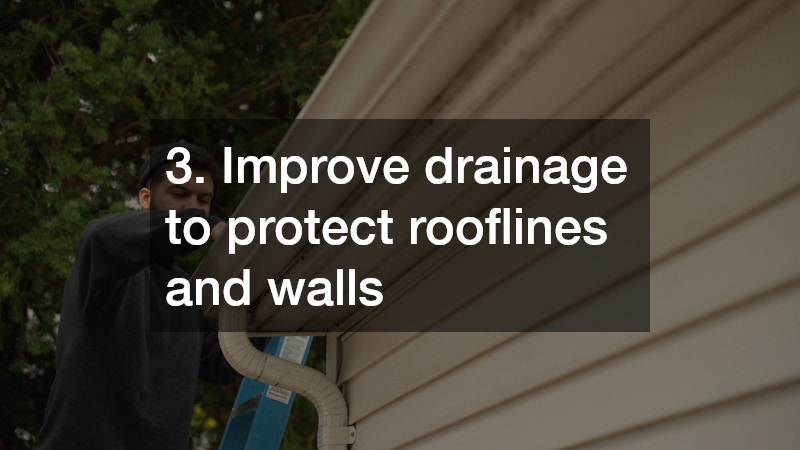
Water doesn’t just attack from below. In older homes, outdated drainage systems often cause slow, cumulative damage from above. Overflowing gutters, poorly pitched downspouts, and clogged channels send water straight toward siding, windows, and foundations.
Many homeowners only notice the issue when stains appear on exterior walls or when ice dams form during winter. By then, the damage may already be underway. Upgrading drainage is one of the most cost-effective ways to protect an older home’s envelope.
A modern gutter guard installation reduces maintenance while keeping water flowing where it should. Pairing that upgrade with a periodic inspection from a roofing contractor can uncover loose flashing or worn shingles that contribute to leaks.
This type of improvement doesn’t change how the house looks from the street, but it quietly prevents rot, mold, and energy loss. It’s a classic example of spending a little now to avoid much higher costs later.
4. Modernize plumbing to prevent costly emergencies
Plumbing systems in older homes were designed for a different era—fewer fixtures, less water usage, and different materials. Over time, corrosion, mineral buildup, and outdated connections increase the risk of leaks or backups, often without obvious warning signs.
Homeowners sometimes assume plumbing upgrades mean tearing out walls or replacing everything at once. In reality, incremental improvements can make a huge difference. Replacing vulnerable sections of pipe, updating shutoff valves, and installing modern fixtures improve reliability while reducing water waste.
Working with a plumbing company for an inspection can help prioritize which updates matter most. For homes on septic systems, routine maintenance with a septic pumping company ensures that backups don’t undermine other improvements or contaminate surrounding soil.
Modern plumbing upgrades tend to pay for themselves through:
- Lower water bills
- Fewer emergency repairs
- Better water pressure and temperature control
They also make the home more adaptable to future changes, like adding efficient appliances or additional bathrooms.
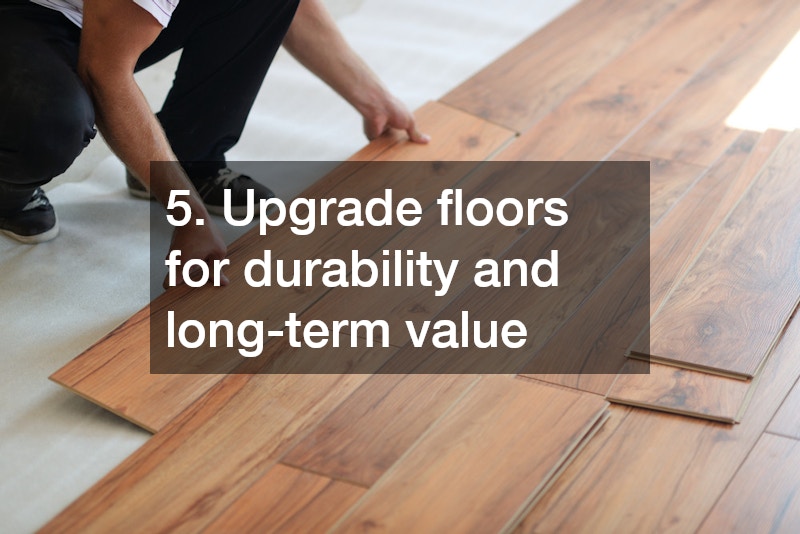
5. Upgrade floors for durability and long-term value
Floors in older homes often tell a story—uneven boards, creaks that announce every step, or finishes worn thin from decades of use. While charming in moderation, deteriorating floors can affect insulation, safety, and energy efficiency.
Rather than defaulting to full replacement, homeowners can evaluate whether subfloors are sound and which areas need reinforcement. In many cases, selectively upgrading rooms with high traffic or moisture exposure yields the biggest benefit.
Hardwood floor installations remain popular because they balance durability with timeless appeal. Modern installation techniques improve insulation and reduce drafts compared to older methods. Even refinishing existing hardwood can seal gaps and restore structural integrity beneath the surface.
The result isn’t just aesthetic. Well-installed flooring helps regulate indoor temperatures, reduces noise transfer, and supports furniture and fixtures more evenly—small improvements that add up to daily comfort.
6. Strengthen outdoor surfaces for safety and longevity
Exterior surfaces often get overlooked until they become hazardous. Cracked walkways, sinking patios, or uneven steps are common in older homes where soil has shifted or materials have degraded over time.
Replacing everything isn’t always necessary. Strategic resurfacing or reinforcement can restore function without high cost. Homeowners often focus on areas that see frequent use, such as entry paths or outdoor gathering spaces.
Working with a stamped concrete contractor can provide durable, slip-resistant surfaces that handle weather changes better than older concrete mixes. Improved drainage and proper grading around these surfaces also help protect nearby foundations and walls.
Beyond safety, these upgrades subtly modernize the home’s exterior, improving curb appeal while reducing long-term maintenance needs.
7. Seal entry points to improve efficiency and pest control

Drafts, pests, and high energy bills often share the same root cause: gaps. Older homes tend to have numerous small openings where materials have shifted or deteriorated. These gaps let conditioned air escape while inviting insects and rodents inside.
Homeowners frequently notice the symptoms first—cold floors in winter, ants appearing in spring, or rooms that never quite feel comfortable. Addressing the problem starts with sealing, not spraying.
Affordable steps include:
- Caulking around windows and doors
- Sealing utility penetrations
- Adding weatherstripping to older frames
In situations where infestations persist, consulting an exterminator can help identify entry points that might otherwise be missed. Once sealed, the home becomes easier to heat and cool, and energy costs often drop noticeably within a season.
8. Combine structural upgrades with energy efficiency improvements
One of the smartest ways to control costs is to coordinate projects instead of tackling them in isolation. Older homes benefit most when structural upgrades and energy improvements happen together.
For example, reinforcing walls or floors is the ideal time to add insulation. Improving drainage pairs naturally with sealing the building envelope. Each project supports the next, reducing labor duplication and minimizing disruption.
Homeowners who take this approach often see:
- Faster payback through lower utility bills
- Fewer unexpected repairs during renovations
- A more consistent indoor temperature
Thinking holistically turns a series of small upgrades into a cohesive modernization strategy.
9. Plan renovations to avoid future tear-outs

Nothing wastes money faster than redoing finished work, especially in older homes where systems are layered on top of decades of past decisions. It’s common to see beautifully renovated spaces fail prematurely because the work focused on surfaces rather than structure. A newly finished basement that floods or a remodeled bathroom with failing pipes underneath doesn’t just feel discouraging—it forces homeowners to pay twice for the same space.
The root of the problem is usually timing, not intent. Homeowners often renovate based on what feels most urgent or visible, without fully understanding what’s happening behind the walls or under the floors. Older homes rarely fail in isolation. One aging system often stresses another, which means cosmetic upgrades can accidentally trap or hide problems instead of solving them.
Effective planning starts with asking uncomfortable questions before any money is spent:
- What systems are nearing the end of their lifespan, even if they still function today?
- Which upgrades depend on other work being completed first to avoid future damage or rework?
Answering these questions may reveal that the most important work isn’t the most exciting. Pipes, wiring, drainage, and structural elements don’t photograph well, but they determine whether finished spaces stay intact. Identifying these dependencies early helps homeowners resist the temptation to rush into visible upgrades that may not last.
Mapping improvements over several years creates flexibility rather than limitation. A long-term plan doesn’t lock homeowners into a rigid schedule—it gives them a framework for making smarter decisions as opportunities and budgets change. When one project is delayed or accelerated, the rest of the plan still holds together.
Even modest planning pays off. Knowing what needs to happen first allows homeowners to prepare spaces accordingly, leaving access points or choosing materials that can be removed without damage if future work is required. That foresight dramatically reduces the chances of tearing into walls or floors later to fix something that could have been addressed earlier, protecting both the budget and the finished work itself.
10. Knowing when to DIY and when to call a pro
Affordable upgrades don’t always mean doing everything yourself, and understanding that early can prevent unnecessary stress and wasted money. Not every project rewards a hands-on approach, and some tasks become far more expensive when they have to be corrected later. The goal is to be selective and intentional, not to avoid professional help altogether.
DIY projects tend to work best when the work is simple, visible, and easy to evaluate as you go. These are tasks where mistakes are easy to spot and fix without causing collateral damage, such as:
- Sealing gaps around doors, windows, and trim
- Replacing outdated fixtures or hardware
- Tightening loose components or reinforcing small, accessible areas
Projects like these also help homeowners become more familiar with how their house functions day to day. Over time, that familiarity makes it easier to spot new issues early and respond before they turn into larger problems.
Professional help becomes more valuable when a project involves safety concerns, building codes, or systems hidden behind walls or under floors. These types of upgrades often look manageable at first but carry long-term risks if done incorrectly, including:
- Electrical or wiring-related work
- Structural changes or load-bearing modifications
- Plumbing upgrades that affect multiple rooms or systems
Mistakes in these areas don’t always fail immediately. They often surface months or years later as leaks, cracks, or efficiency issues, which can make repairs far more disruptive and costly.
Many homeowners find success by splitting projects into phases. A professional handles the technical or regulated work, while the homeowner completes the finishing steps. This approach can reduce labor costs while preserving safety and performance, such as:
- Hiring a professional for inspections, rough-in work, or structural adjustments
- Completing surface-level tasks like sealing, painting, or installing fixtures afterward
- Reviewing the finished work periodically to ensure everything continues to perform as expected
The most cost-effective homeowners don’t see DIY and professional work as opposing choices. Instead, they evaluate each task based on risk, complexity, and long-term impact. By handling manageable projects themselves and investing in skilled help where mistakes would be costly, they keep upgrades efficient, durable, and aligned with the long-term health of the home.
Making older homes work better for modern living

Strengthening and modernizing an older home is less about chasing trends and more about making thoughtful, durable choices. Each upgrade builds on the last, reducing waste, lowering utility bills, and increasing comfort over time.
By focusing on prevention, efficiency, and coordination, homeowners can transform aging houses into resilient, energy-smart homes—without sacrificing character or financial stability. The result isn’t just a better-looking house, but one that works smarter every single day.