Maintaining a beautiful yard doesn’t have to mean hours of backbreaking work every week. With the right strategies, you can enjoy lush lawns, vibrant plants, and a welcoming outdoor space while keeping your effort to a minimum. This article focuses on practical home care tips to help homeowners design, plant, and maintain a yard that is both attractive and low-maintenance. By choosing the right plants, incorporating efficient irrigation services, and leveraging landscaping features that require less attention, you can spend more time enjoying your yard rather than constantly working in it. From selecting hardy perennials to understanding lawn care techniques and tree care essentials, these tips provide a comprehensive approach to maintaining an outdoor space that looks great year-round. Additionally, incorporating the services of fence companies, vinyl fencing contractors, and tree removal experts can ensure your yard is both functional and aesthetically pleasing, all while reducing the ongoing maintenance burden. By implementing these strategies, anyone can create a yard that balances beauty and convenience, making home care more manageable and rewarding.
What Are the Best Low Maintenance Plants?
Perennials for Effortless Beauty
Perennials are ideal for homeowners looking for long-term beauty with minimal upkeep. Once planted, these resilient species come back year after year, saving time and effort compared to annuals that must be replanted each season. Popular low-maintenance perennials include hostas, daylilies, and ornamental grasses, which thrive in a variety of climates and soil types. When paired with other landscape features like rocks or mulch, perennials can reduce watering requirements and simplify weed control. Choosing plants suited to your climate and soil is a crucial step that enhances their longevity and reduces overall garden labor. For yards with limited sun exposure, shade-tolerant perennials offer vibrant foliage and blooms without demanding constant attention. By carefully selecting perennials, you can create visually appealing garden beds that remain attractive throughout the year while keeping your home care tips easy to implement.
Drought-Resistant Species
Drought-resistant plants are essential for homeowners who want a beautiful yard without excessive watering. Species like lavender, sedum, and yarrow thrive in dry conditions and require far less irrigation than traditional garden plants. Incorporating these plants into your landscaping not only saves water but also reduces the time and energy spent on lawn and garden maintenance. Pairing drought-tolerant plants with smart irrigation services ensures they receive the right amount of water without overwatering, which can cause root rot or disease. Additionally, these hardy species often resist pests and diseases better than more delicate plants, further simplifying garden care. Using drought-resistant plants as part of your home care tips strategy allows you to enjoy lush color and texture in your yard while minimizing the effort required for upkeep.
How Can I Reduce Lawn Care Time?
Choosing the Right Grass Type
Selecting the right grass type is a critical home care tip for minimizing lawn maintenance (and the need for a look at new lawn mowers). Certain grass varieties, such as fescues and Bermuda grass, grow slowly and require less frequent mowing, making them ideal for low-maintenance yards. Warm-season grasses thrive in sunny climates, while cool-season grasses perform better in shaded or cooler areas. Using the proper grass for your climate reduces watering needs and prevents common lawn problems, including bare patches and weed invasion. Complementing your lawn with well-maintained vinyl fencing or hiring a fencing service can protect your yard from heavy foot traffic and pets, helping your grass stay healthy longer. A thoughtfully chosen grass type not only saves time on mowing and fertilizing but also ensures a dense, green lawn that enhances the overall appearance of your outdoor space.
Implementing Smart Irrigation Systems
Smart irrigation systems are a game-changer for low-maintenance yards. Automated sprinklers, drip irrigation, and moisture sensors ensure your lawn and plants receive the right amount of water at the right time. This approach reduces manual watering, saves water, and promotes healthier plant growth. Pairing irrigation systems with low-maintenance plant selections and proper mulch application can significantly cut down on yard work. Tree companies and tree care experts can also advise on placement of irrigation lines to avoid root interference, particularly for larger trees that require deep watering. It also helps with tree removals down the line. Integrating these technologies into your home care tips ensures that your lawn stays vibrant with minimal hands-on effort, giving you more time to enjoy your outdoor space rather than managing it.
What Landscaping Features Need the Least Upkeep?

Rock Gardens and Hardscaping
Rock gardens and hardscaping elements are excellent ways to reduce maintenance while adding visual appeal. Stone paths, gravel beds, and decorative boulders eliminate the need for constant mowing, trimming, or weeding in certain areas. Hardscaping also allows for creative layouts that combine aesthetics with practical design, such as retaining walls or patios that prevent soil erosion and control drainage. By pairing these features with low-maintenance plants, homeowners can create appealing garden spaces that require little intervention. Fence contractors can install complementary vinyl fencing or other boundary solutions that blend with hardscape elements, further enhancing both function and style. Incorporating rocks and other durable materials into your yard is a strategic home care tip that decreases labor while increasing long-term visual appeal.
Mulching for Protection
Mulch serves multiple purposes in a low-maintenance garden. It retains soil moisture, suppresses weeds, and gradually adds nutrients as it decomposes, reducing the need for frequent watering and fertilizing. Organic mulches such as bark, straw, or composted leaves are excellent for flower beds and around trees, while inorganic options like rubber mulch or gravel work well in pathways or rock gardens. Proper mulching techniques, including applying a 2-3 inch layer and keeping mulch away from plant stems, ensure maximum effectiveness. Tree care specialists often recommend mulching around trees to protect roots and prevent weed growth, which aligns perfectly with home care tips for minimizing garden work. Regularly refreshing mulch can maintain these benefits, making your landscaping more sustainable and easier to manage.
How Can I Keep Weeds at Bay With Minimal Effort?
Natural Weed Barriers
Preventing weeds is a critical part of a low-maintenance yard strategy. Natural weed barriers, such as landscape fabric, cardboard layers, or thick mulch, inhibit weed growth while allowing water and nutrients to reach plant roots. These barriers reduce the need for chemical herbicides and repeated manual weeding, saving time and promoting eco-friendly gardening practices. When installed alongside garden beds and under vinyl fencing or decorative hardscaping, natural weed barriers create a neat and orderly appearance with minimal ongoing effort. Home care tips involving these techniques can also protect newly planted perennials and shrubs from being overtaken by weeds, ensuring your garden remains lush and attractive with less work. For instance, lawn mowers can cut pretty close down, minimizing weed growth.
Timing Your Weeding
Even with barriers in place, occasional weeding is necessary. The key to low-maintenance weed control is timing. Pulling weeds early in the morning or after rainfall makes removal easier because roots are softer and soil is less compact. Regularly checking high-risk areas like garden edges, tree bases, and lawn borders prevents weeds from establishing themselves and spreading. Coordinating your weeding schedule with seasonal maintenance, such as irrigation adjustments or mulch refreshes, can further reduce effort. Integrating this approach into your home care tips ensures that your yard stays tidy without requiring constant intervention, keeping your outdoor space both manageable and enjoyable.
What Are Effective Pest Control Methods That Are Low Maintenance?
Beneficial Insects and Wildlife
One of the most eco-friendly home care tips for pest control is encouraging beneficial insects and wildlife in your yard. Ladybugs, lacewings, and certain types of wasps naturally prey on common garden pests, reducing the need for chemical sprays. Birds, frogs, and even bats can also help manage insect populations, especially around lawns and flower beds. Creating habitats such as small ponds, birdhouses, or native plant clusters can attract these helpful species. Combining natural pest control with proper tree care ensures that shrubs and trees remain healthy without excessive intervention. Fence companies and vinyl fencing installations can also protect specific garden areas from larger pests while allowing beneficial wildlife to thrive, balancing security with ecological health. Integrating these practices into your home care tips ensures a healthy, low-maintenance garden year-round.
Organic Pest Deterrents
For gardeners preferring a hands-on approach, organic pest deterrents offer a simple, low-maintenance solution. Homemade sprays using ingredients like neem oil, garlic, or chili can repel insects and prevent damage to flowers, vegetables, and shrubs. Companion planting—another effective tactic—uses plants with natural repellent properties, such as planting marigolds near perennials or herbs like basil near garden vegetables. These methods reduce chemical use while promoting a healthy ecosystem in your yard. Combined with mulch and proper irrigation services, organic deterrents can dramatically reduce pest problems with minimal labor. By following these strategies, your yard remains lush, protected, and visually appealing, aligning perfectly with sustainable home care tips.
What Is the Role of Edible Landscaping in Low Maintenance Yards?
Choosing Perennial Edibles
Incorporating perennial vegetables and herbs into your landscaping is a smart way to enjoy fresh produce while reducing ongoing work. Plants like asparagus, rhubarb, rosemary, and thyme come back year after year, requiring far less planting and care than annual crops. Positioning these edible plants in raised beds or near paths can make harvesting easy while limiting maintenance. Pairing perennial edibles with efficient irrigation services or drip systems ensures consistent growth without excessive watering. Tree companies and tree care professionals can also help identify optimal locations for edible landscaping to avoid shading and root competition from larger trees. Including perennial edibles in your home care tips strategy allows you to cultivate food, save time, and maintain a beautiful, functional yard simultaneously.
Companion Planting for Better Growth
Companion planting is a practical technique for promoting healthier plants with less intervention. Certain plant combinations naturally deter pests, improve soil nutrients, or encourage pollination. For example, planting beans near corn or basil near tomatoes can boost growth and reduce the need for chemical fertilizers. Integrating companion planting into garden beds and lawns can lower maintenance demands and enhance productivity, particularly when paired with organic pest deterrents and proper irrigation services. When considering companion planting, be mindful of spacing and sunlight requirements, as these factors impact overall yard health. Using this method as part of your home care tips approach ensures a sustainable, thriving garden with minimal labor.
How Can I Use Mulch Effectively in My Garden?
Types of Mulch and Their Benefits
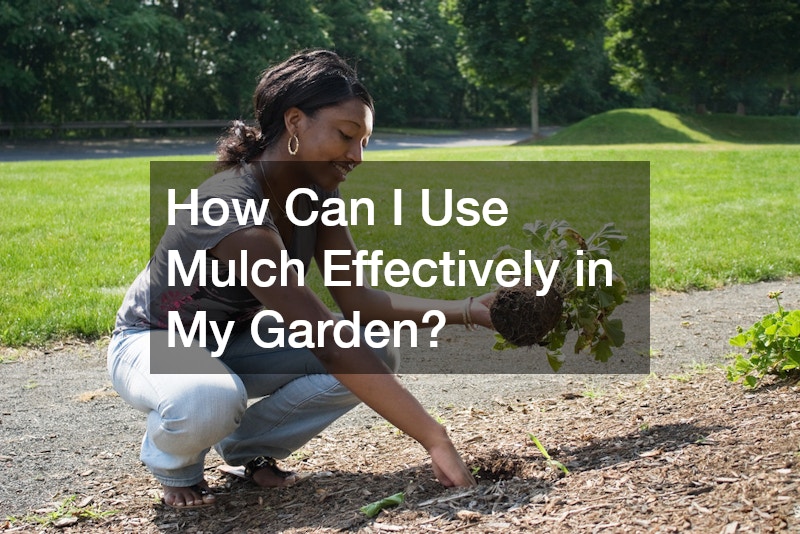
Choosing the right type of mulch is a crucial home care tip for any low-maintenance yard. Organic mulches like wood chips, bark, and compost enrich the soil as they decompose, while inorganic mulches such as gravel, rubber, or landscape fabric reduce weed growth and preserve soil moisture. Different areas of your yard may require different types of mulch; for example, flower beds may benefit from organic mulch to improve nutrient content, while pathways or rock gardens may use inorganic options for durability. Tree care experts often recommend mulching around tree bases to protect roots and conserve water. Selecting appropriate mulch types in combination with lawn care techniques, irrigation services, and fencing solutions can significantly cut down maintenance time while enhancing your yard’s appearance.
Proper Mulching Techniques
Applying mulch correctly maximizes its benefits and reduces maintenance needs. Start by clearing the area of weeds and debris, then apply a 2-3 inch layer, keeping mulch slightly away from plant stems to prevent rot. Replenish mulch annually or as it decomposes to maintain protection and soil moisture. Combining proper mulching with irrigation systems ensures plants receive adequate hydration without overwatering, while also minimizing weed growth. Using mulch strategically around tree bases and along garden beds helps reduce labor-intensive tasks like hand-weeding and soil amendment. Following these home care tips for mulching will allow your yard to remain healthy and visually appealing with minimal ongoing effort.
How Can I Design a Yard That Is Easy to Maintain?
Planning the Layout for Accessibility
Designing your yard with accessibility in mind reduces maintenance stress and enhances enjoyment. Arrange garden beds, lawns, and pathways to allow easy access for mowing, pruning, and watering. Incorporating vinyl fencing and hiring fence contractors to create clear boundaries can help define spaces, limit foot traffic on delicate areas, and organize your yard efficiently. Proper planning also ensures that irrigation systems, tree placements, and plant beds are easy to reach for routine maintenance. By thinking strategically about layout during the design phase, you minimize unnecessary effort and make everyday upkeep simpler, aligning perfectly with home care tips for a low-maintenance yard.
Integrating Hardscape and Greenery
Balancing hardscaping elements with greenery is a key tactic for reducing maintenance while maintaining beauty. Patios, stone pathways, rock gardens, and decorative boulders can occupy space that would otherwise require frequent mowing or trimming. Integrating trees and shrubs in a deliberate layout provides shade and visual interest without overcrowding the lawn. Tree care professionals can assist with planting locations to optimize growth and minimize interference with irrigation systems. Combining hardscape and greenery thoughtfully allows homeowners to enjoy the benefits of a lush yard with fewer daily tasks. Using this strategy as part of your home care tips ensures a visually stunning yard that remains low-effort over time.
Creating a beautiful yard doesn’t have to be overwhelming. By following these home care tips, homeowners can design a yard that is visually appealing, functional, and easy to maintain. Strategic plant selection, including perennials and drought-resistant species, reduces the need for constant watering and replanting. Implementing smart irrigation services, using mulch effectively, and incorporating low-maintenance landscaping features like rock gardens and hardscaping further minimize time and effort spent outdoors. Pest management can be simplified with beneficial insects, organic deterrents, and thoughtful companion planting, while edible landscaping provides food with minimal labor. Additionally, integrating elements like vinyl fencing installed by fence contractors and professional tree care ensures that your yard remains organized, safe, and healthy. By combining these techniques, you create a yard that allows you to enjoy your outdoor space fully without the constant demands of upkeep. These home care tips make maintaining a lush, vibrant, and sustainable garden achievable for any homeowner, providing both beauty and ease throughout the year.