Homeowners often see utility bills as a fluctuating cost influenced by the energy grid or weather, expecting higher costs during heatwaves or freezes with little choice but to endure discomfort by adjusting thermostats. A home is a complex system where subtle wear and tear cause inefficiencies, draining finances. Issues like a warped frame or a degraded seal make your infrastructure work harder.
Switching from reactive maintenance to proactive optimization alters homeowner expenses. Addressing repairs before failure helps control energy use by fixing structural weaknesses, easing mechanical strain, and reducing waste. Focusing on practical strategies makes your home more efficient, saving money consistently.
Eliminate Drafts with High-Efficiency Entryways

Exterior doors are among the most frequent culprits behind chronic energy loss. Because they are subjected to constant physical use, structural settling, and extreme temperature differentials between their interior and exterior faces, they easily lose their alignment over time. A gap as small as one-eighth of an inch around a standard door can allow the same volume of conditioned air to escape as a four-inch hole cut directly into your wall.
- Inspect the perimeter: On a sunny day, turn off the interior lights and look closely around the edges of your exterior doors. If you can see daylight peeking through the frame, your conditioned air is actively escaping.
- Renew the seal: Replace worn, brittle foam or vinyl weatherstripping with high-grade silicone or EPDM rubber profiles that retain their flexibility in freezing temperatures.
- Adjust the threshold: Many modern door sills feature adjustable screws that allow you to raise or lower the threshold bevel. Raise it until it makes firm, uniform contact with the flexible sweep at the bottom of the door.
- Know when to replace: If a door panel is severely warped, hollow, or contains single-pane decorative glass that radiates cold into the room, it may be past the point of simple repairs. Investing in a professional door installation featuring a polyurethane foam core and dual-pane low-emissivity glass can instantly eliminate a massive thermal weak spot.
Upgrade Your Attic and Wall Barriers
Heat naturally moves from areas of high concentration to areas of low concentration. In the winter, the warmth you pay for rises toward your roof; in the summer, solar radiation bakes your roof and forces heat downward into your living spaces. Insulation is the material framework designed to slow this movement down, and a deficiency here forces your HVAC systems to cycle constantly.
- Measure your R-value: The measure of an insulation material’s resistance to heat flow is its R-value. Check your attic to see if the existing material sits below or level with the floor joists. In most climates, attic insulation should be deep enough to completely bury the wood framing, reaching a value between R-38 and R-60.
- Target hidden penetrations: Before adding more material, locate the invisible bypasses where wires, plumbing pipes, and recessed lighting fixtures cut into the attic floor. Use expanding polyurethane foam to seal these gaps, as insulation cannot block airflow on its own.
- Engage specialized help: While simple fiberglass batts can be laid down by a handy homeowner, deep structural improvements often require specialized tools. Bringing in a certified insulation service to blow in dense-pack cellulose or apply closed-cell spray foam ensures every microscopic crevice around your rim joists and wall cavities is thoroughly isolated, drastically lowering the workload on your furnace and air conditioner.
Restore Heating System Efficiency Before Peak Winter
When a heating system begins to age or suffer from neglected maintenance, it rarely fails all at once. Instead, it enters a state of diminished capacity. It will run for longer durations, struggle to hit the target temperature on your thermostat, or cycle on and off rapidly—a phenomenon known as short-cycling that consumes vast amounts of start-up electricity.
- Monitor your cycles: Pay attention to how long your system runs. If it turns on for two minutes, shuts off, and turns back on five minutes later, it is burning excess energy and wearing out its internal components prematurely.
- Keep air moving freely: The simplest home maintenance task is also the most influential. A heavily clogged air filter forces the system’s blower motor to work against high static pressure, drawing more amperage and reducing heat exchange. Change standard filters every two months, or sooner if you have pets.
- Clear the outdoor footprint: For heat pump systems, keep the outdoor compressor unit free of dead leaves, overgrown brush, and snow accumulation to ensure the coils can exchange heat with the outside air efficiently.
- Address early mechanical warnings: If you notice unusual clicking sounds, uneven heating between different rooms, or a metallic burning smell, do not wait for a total freeze to act. Booking professional heating repairs to swap out weak flame sensors, failing igniters, or degrading blower capacitors can restore the unit’s factory-intended efficiency and prevent a costly midnight emergency call.
Eliminate Conditioned Air Loss in Hidden Spaces
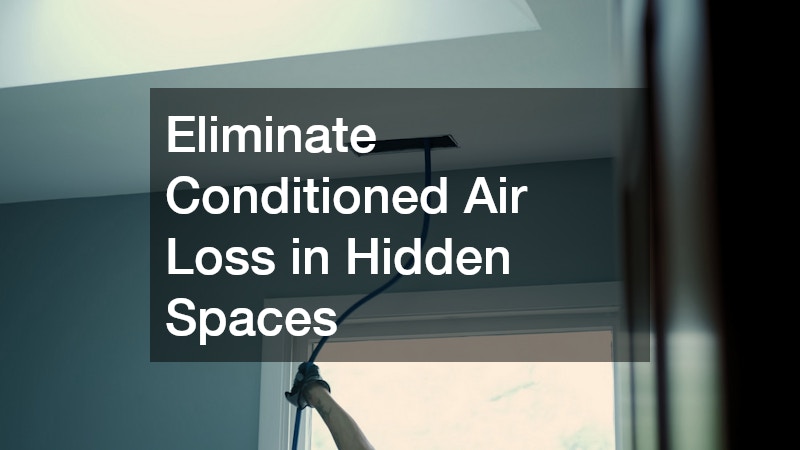
You can have the most efficient heating and cooling machinery on the market, but if the distribution network is broken, that efficiency is entirely wasted. A building’s ductwork often runs through unconditioned spaces like crawlspaces, unfinished basements, and attics. If these metal pathways have gaps, you are paying to heat or cool spaces where nobody lives.
- Locate the seams: Inspect exposed duct runs in your basement or attic. Pay close attention to the branch take-offs where smaller round pipes connect to the main rectangular trunk line.
- Avoid standard duct tape: Despite its name, traditional cloth duct tape dries out, loses its adhesive properties, and falls off within a few years due to thermal expansion.
- Seal with permanence: Use aluminum foil tape rated for HVAC systems or apply a thick layer of paintable mastic duct sealant with a fiber brush over every visible joint.
- Enlist advanced testing: Many duct leaks are hidden behind drywall or buried deep within floor joists. A professional air duct repair specialist can perform a specialized duct-blaster test, depressurizing the system to pinpoint exactly where air is escaping and utilizing specialized sealing technologies to restore perfect internal pressure.
Keep Combustion Heating Safely and Efficiently Tuned
For homes utilizing natural gas, propane, or heating oil, the combustion process must be perfectly calibrated to maximize fuel conversion. Over months of operation, burners can become fouled with carbon deposits, dust, and rust flakes, leading to an uneven, lazy yellow flame instead of a crisp, efficient blue one.
- Check the flame color: If your heating appliance has a viewing window, observe the burner flames. A yellow or orange flame indicates incomplete combustion, meaning fuel is traveling up your chimney exhaust without being fully converted into usable indoor heat.
- Clean the sensor arrays: Dust accumulation on the internal components can misread temperatures, causing the system to run inefficiently or shut down unexpectedly.
- Schedule deep calibration: Regular furnace services ensure that a technician can analyze flue gas emissions, check gas pressure settings, clean the burner assembly, and guarantee the heat exchanger is free from cracks that affect efficiency and safety, achieving more than a DIY visual check can.
Secure the Thermal Defenses Above Your Living Space
Your roof does far more than keep rain off your head; it serves as the primary shield against solar radiation. If a roof is compromised by leaks, missing shingles, or blocked ventilation, the space directly underneath it turns into a thermal trap that radiates heat downward through your ceiling long after the sun has gone down.
- Clear the passive vents: Ensure that your soffit vents along the eaves are not blocked by stray attic insulation. Air must enter through the lower edge of the roofline and escape through the ridge vent at the top to sweep away trapped summer heat.
- Watch for water degradation: Wet insulation loses its thermal resistance entirely. A leak that dampens your attic insulation turns that material into a conductor of heat rather than a barrier.
- Act on structural wear: When shingles curl, crack, or lose granules, they absorb more solar heat. Hiring a qualified roofing service to fix damage, replace underlayment, and ensure your roof ventilation system works properly can lower attic temperatures significantly, easing the burden on your central air conditioning unit.
Stop Invisible Water Leaks and Pressure Overloads
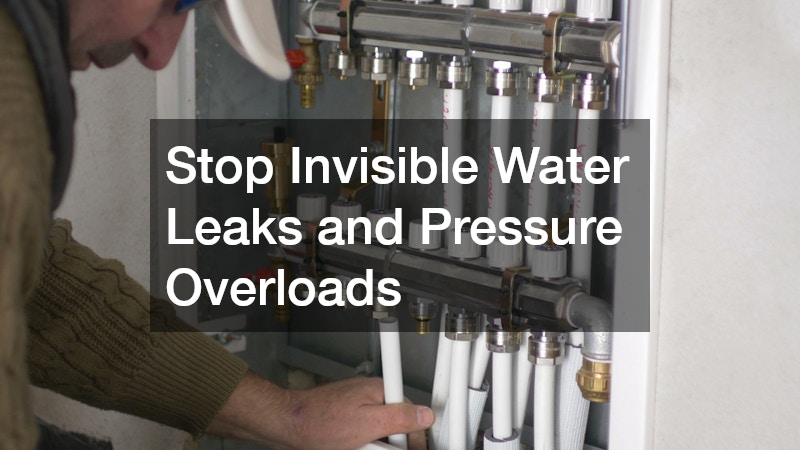
Water conservation directly impacts two separate bills: your municipal water statement and the energy bill required to heat that water for showers, laundry, and dishwashing. Invisible leaks can quietly waste thousands of gallons of water per month without ever making a puddle on your floor.
- Test your toilet valves: Put a few drops of food coloring into your toilet tank and leave it alone for twenty minutes without flushing. If color seeps into the bowl, your flush valve flapper is leaking and needs to be replaced.
- Check your incoming pressure: High home water pressure feels nice in the shower, but anything over eighty pounds per square inch causes premature wear on valves, pipes, and appliances, leading to excessive water consumption.
- Optimize fixture delivery: Install inexpensive, high-efficiency aerators on your bathroom and kitchen faucets to mix air into the stream, maintaining satisfying pressure while cutting actual water volume by up to thirty percent.
- Clear system obstructions: When internal lines become constricted with mineral scale or root intrusions, your water infrastructure works under constant strain. Securing a skilled plumbing service to assess your home’s flow dynamics, clear out scaling, and adjust your water heater’s temperature to a safe, efficient one hundred twenty degrees will significantly reduce water and thermal waste.
Isolate Unconditioned Attached Structures
The garage is often the largest unconditioned zone attached to a home. If you have a bedroom or living room directly above or adjacent to a garage, that shared wall and floor system is under constant thermal assault. If your garage door is thin and uninsulated, the temperature inside that space will mirror the extreme outdoor environment.
- Seal the transitional wall: Treat the door leading from your house into the garage as an exterior door. Apply heavy weatherstripping and a durable bottom sweep to prevent cold drafts or hot air from migrating directly into your kitchen or hallway.
- Insulate the overhead span: If there is a living space above the garage, ensure that the joists underneath that floor are thoroughly air-sealed and insulated.
- Evaluate the main overhead door: A standard non-insulated sheet-metal garage door acts as a giant radiator, transferring extreme temperatures straight into the structural core of your home. Utilizing professional garage door services to upgrade to a modern door creates a thermal buffer zone, protecting your adjacent living spaces from extreme temperature swings.
Modernize Circuit Layouts and High-Draw Appliances
As homes become filled with advanced electronics, electric vehicles, and high-efficiency heat pumps, the internal wiring grid can struggle to keep pace. Outdated electrical panels or loose terminations can cause voltage drops, which generate wasted heat inside your walls and force electric motors to draw more current to perform their tasks.
- Identify parasitic loads: Use smart power strips for entertainment centers and home offices to completely cut off power to devices that consume electricity even when turned off.
- Upgrade to modern lighting arrays: Replace remaining incandescent or halogen bulbs with high-quality LEDs, which consume up to eighty percent less energy and last for decades.
- Address flickering lights: If your lights dim slightly when a major appliance like a refrigerator or air conditioner turns on, your system is experiencing a voltage drop due to circuit overloading.
- Consult a professional for system health: Working inside a live breaker box is dangerous and should be handled by experts. Collaborating with licensed local electricians to split overloaded circuits, balance electrical loads, and upgrade aging panels ensures your power infrastructure operates smoothly, safely, and efficiently.
Maintain Unobstructed Waste Lines to Protect Water Systems

The drainage network in your home operates purely on gravity and fluid dynamics. When waste lines become sluggish due to the gradual accumulation of grease, hair, and mineral scaling, it creates a subtle backup that forces water-dependent appliances to run longer, repetitive cycles.
- Avoid chemical cleaners: Harsh, store-bought chemical drain cleaners can corrode metal pipes and damage PVC joints over time, leading to hidden leaks inside walls that ruin insulation.
- Protect your appliance drains: Clean the internal lint and debris traps on your washing machine and dishwasher regularly so their internal pumps don’t have to work harder to push water out.
- Invest in thorough system clearing: When waste lines run slowly, high-efficiency dishwashers and washing machines may fail to drain in time, triggering error codes or extra rinse cycles. Scheduling preventative drain cleaning services, like hydro-jetting, clears deep blockages, ensuring appliances drain effectively and maintain their efficiency, preventing unexpected utility costs.
A systematic, hands-on approach to your home’s infrastructure removes the guesswork from managing your household budget. Targeted repairs collectively lower your property’s operating costs. These improvements should be seen as investments in your property’s value and efficiency. Optimizing these systems saves money, protecting your finances from fluctuating energy costs and creating a more comfortable, reliable, and sustainable living environment for years. Start by assessing your home’s perimeter this weekend, prioritizing upgrades that provide immediate financial relief.