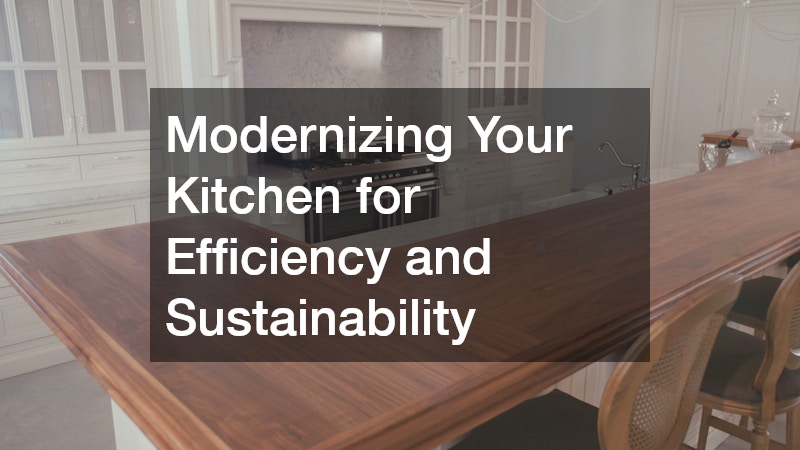
The kitchen is widely considered the heart of the home, but it is also one of the most resource-intensive spaces in any household. From the daily draw of major refrigerators and cooking equipment to the steady flow of water for food preparation and cleaning, everyday culinary routines generate a significant environmental footprint. Over time, outdated appliances, poorly sealed fixtures, and inefficient layouts quietly inflate monthly utility bills while contributing to unnecessary waste. Modernizing this vital space is no longer just about aesthetic updates or surface-level makeovers. It is an opportunity to transform how your household consumes energy, uses water, and manages daily resources.
Updating a kitchen to meet modern standards requires a thoughtful balance between operational efficiency and long-term sustainability. Achieving this balance does not mean sacrificing visual appeal or practical convenience. By approaching the process systematically—focusing on structural layout, high-performance equipment, durable surfaces, and non-toxic materials—you can build a culinary space that feels effortless to cook in while remaining gentle on the environment.
Strategic Layout Planning: Optimizing Workflow and Thermal Efficiency

Before selecting finishes or tearing down walls, any successful kitchen project must begin with spatial planning. The physical layout of your kitchen dictates not only how smoothly you can move between preparation, cooking, and cleanup, but also how efficiently your major equipment operates. A poorly planned layout can force refrigeration systems to work harder than necessary or create operational bottlenecks that make daily tasks frustrating. Rethinking your floor plan with conservation in mind ensures that every square foot serves a functional purpose while minimizing unnecessary energy expenditures.
To create an optimized blueprint that supports both movement and thermal efficiency, focus on these critical layout strategies:
- Isolate Cold Storage from Heat Generators: Refrigerators and freezers rely on delicate thermodynamic loops to maintain internal temperatures. If positioned directly adjacent to a wall oven, range, or radiator, the exterior ambient temperature rises, forcing the cooling compressor to run continuously. Ensure there is at least a few feet of cabinetry or countertop space separating cooling units from major heat sources.
- Optimize Natural Daylight and Ventilation: Position main prep areas near windows whenever possible to take full advantage of natural lighting during daytime hours. Good natural air circulation also reduces reliance on heavy mechanical exhaust systems during light cooking tasks.
- Incorporate Dedicated Waste and Sorting Stations: Plan for pull-out waste centers integrated directly into the primary prep zones. Allocating distinct, easily accessible bins for organic compost, mixed recyclables, and landfill waste at the blueprint stage dramatically improves household sorting habits.
- Preserve the Structural Core: Where possible, work within the existing plumbing and structural footprint. Retaining major wall locations avoids unnecessary structural demolition, reduces construction debris bound for landfills, and keeps material consumption to a minimum.
Executing a major layout reconfiguration often involves structural evaluations, load-bearing assessment, and precise spatial design. Bringing in a licensed kitchen contractor ensures that wall modifications, spatial dimensions, and structural changes meet local building codes while maintaining structural integrity. During this phase, undertaking a comprehensive home remodeling strategy allows you to address hidden inefficiencies behind the walls, such as aging insulation or drafty exterior framing, before final finishes are installed.
Sustainable Cabinetry: Smart Storage to Eliminate Waste and Reduce VOCs
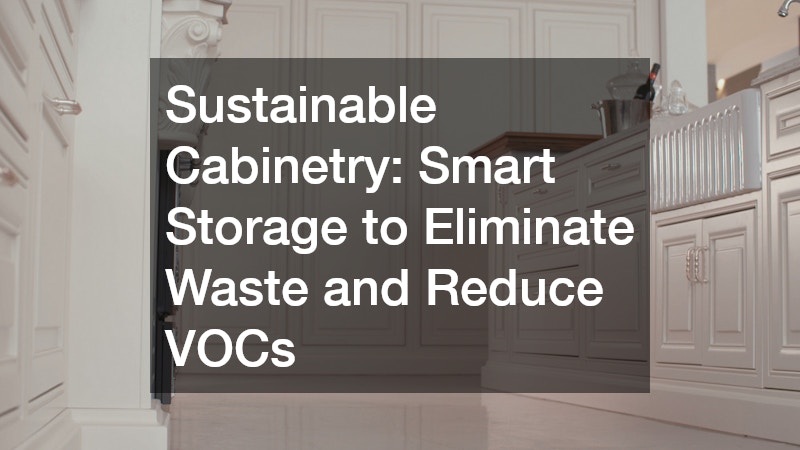
Cabinetry typically accounts for the largest physical mass and financial investment in a kitchen overhaul. Because cabinets dominate the visual field and store everything from dry goods to cookware, their construction quality and internal design have a lasting impact on both indoor air quality and daily organization. Traditional mass-produced cabinetry often relies on composite boards bound with synthetic glues that off-gas volatile organic compounds (VOCs) like formaldehyde into the living space. Choosing sustainable cabinetry alternatives creates a healthier indoor environment while maximizing usable storage.
When evaluating your cabinetry options, consider the following approach to balance longevity, health, and functionality:
- Evaluate Structural Framework Before Replacing: If your existing cabinet boxes are constructed from sturdy solid wood or high-grade plywood, consider refacing or refinishing them rather than tearing them out entirely. Replacing only the door fronts, drawer faces, and hardware saves significant material costs and prevents heavy wood waste from entering landfills.
- Select Certified Low-Emission Materials: When purchasing new cabinet boxes, look for products certified by the Forest Stewardship Council (FSC), which guarantees the timber was harvested from responsibly managed forests. Specify formaldehyde-free binders, low-VOC finishes, and water-based sealants to maintain clean indoor air.
- Prioritize Full-Extension and Ergonomic Hardware: Cabinets that incorporate full-extension pull-out drawers, interior carousels, and vertical dividers eliminate hidden corners where non-perishable foods are easily forgotten. Clear visibility across all storage shelves directly reduces household food waste by preventing accidental duplicate purchases.
- Opt for Rapidly Renewable Wood Species: Consider cabinet doors made from rapidly renewable materials like bamboo, lyptus, or reclaimed timber. Reclaimed wood adds character and history to the space while requiring zero new tree harvesting.
Customizing your storage layout allows you to tailor every drawer and pantry shelf to your family’s specific inventory needs. Partnering with a specialized kitchen cabinet service gives you access to precise spatial planning tools that convert awkward corner spaces into highly accessible storage zones. For homes with unique room dimensions or specific aesthetic goals, investing in custom kitchen cabinetry ensures that every inch of vertical and horizontal wall space is utilized efficiently, minimizing clutter and maximizing storage density.
Energy-Smart Appliances & Electrical Systems: Lowering Daily Footprint
Appliances represent the operational engine of the kitchen, accounting for a massive share of household electricity and water usage. Outdated refrigerators, inefficient dishwashers, and older cooking ranges consume far more utility resources than necessary to perform basic tasks. Transitioning to high-efficiency equipment dramatically lowers baseline utility consumption while offering faster cooking times and improved performance. However, modernizing appliances involves more than simply swapping units; it requires ensuring your home’s underlying electrical infrastructure can support high-efficiency technology safely.
To build an energy-smart cooking and refrigeration setup, focus on these critical appliance and electrical considerations:
- Transition from Gas to Induction Cooking: Induction cooktops use electromagnetic fields to transfer heat directly to magnetic cookware, achieving an energy transfer efficiency of roughly 85–90% compared to just 40% for traditional gas burners. This technology eliminates gas combustion inside the home, significantly improving indoor air quality while heating food faster and keeping the ambient kitchen temperature cooler.
- Look for Advanced ENERGY STAR Ratings: Select refrigerators, dishwashers, and ventilation systems that exceed standard federal energy guidelines. Modern ENERGY STAR-certified dishwashers, for example, use advanced soil sensors and targeted spray jets to clean full loads using less than 3.5 gallons of water—far less than hand-washing.
- Establish Smart Power Management Controls: Integrate programmable or smart outlets that can completely shut off standby power to counter-top appliances when not in use. Phantom loads from coffee makers, microwaves, and toaster ovens can steadily drain electricity around the clock.
- Maintain Equipment for Peak Efficiency: Keep refrigerator condenser coils clean, replace water filters on schedule, and check door gaskets regularly to prevent cool air leaks. Proper care ensures appliances maintain their rated efficiency levels throughout their lifespan.
Upgrading to modern cooking technologies—particularly high-wattage induction ranges and speed ovens—frequently requires dedicated circuits and updated wiring. Engaging a local electrician is essential to evaluate your main breaker panel, verify grounding, and install the necessary voltage outlets safely. Furthermore, keeping your specialized kitchen equipment running smoothly over time relies on professional maintenance. Establishing a relationship with a qualified kitchen appliance services provider ensures that minor mechanical issues, control board glitches, or pump failures are diagnosed and repaired promptly, extending the operational life of your investments and preventing premature replacement.
Durable Countertops: Low-Impact Materials and Longevity

Countertops endure constant daily wear from hot cookware, sharp knives, heavy appliances, and moisture. Because replacing damaged or worn-out counters is a labor-intensive process, durability is one of the most important pillars of sustainable design. Selecting surfaces that combine high structural strength with eco-friendly manufacturing processes ensures your kitchen will remain functional and attractive for decades without needing premature replacement.
When comparing material options for your new work surfaces, evaluate both environmental origin and practical performance:
- Recycled Composite Surfaces: Modern composite countertops made from post-consumer recycled glass, porcelain, or paper bound with bio-based resins offer exceptional stain resistance while diverting waste from landfills. These surfaces provide a sleek, contemporary appearance without requiring extensive quarrying.
- Sustainably Harvested Natural Stone: If you prefer natural stone, look for materials sourced from regional quarries to minimize the carbon emissions associated with long-distance transport. Ensure the stone is sealed with non-toxic, water-based sealants to prevent staining and chemical off-gassing.
- Ultra-Compact Porcelain Slabs: Manufactured from natural minerals subjected to intense heat and pressure, porcelain slabs are extremely non-porous, heat-resistant, and scratch-resistant. They do not require chemical sealers and offer long-lasting durability in high-use environments.
- Bio-Based Solid Surfaces: Look for solid-surface materials that incorporate rapidly renewable plant-based resins and recycled content, offering seamless installations that are easy to clean and repair if scratched.
Achieving a flawless countertop finish requires exact digital templating, precise cutting, and expert handling to prevent cracking or material waste. Engaging a specialized team for your kitchen counter installation guarantees that seam placements are optimized for structural strength and visual harmony. Whether you are installing natural stone, engineered quartz, or recycled composites, getting high-quality new countertops tailored precisely to your cabinet footprint creates a hygienic, resilient surface that stands up to demanding daily culinary use.
Eco-Friendly Fixtures & Finishes: Water Conservation and Non-Toxic Walls
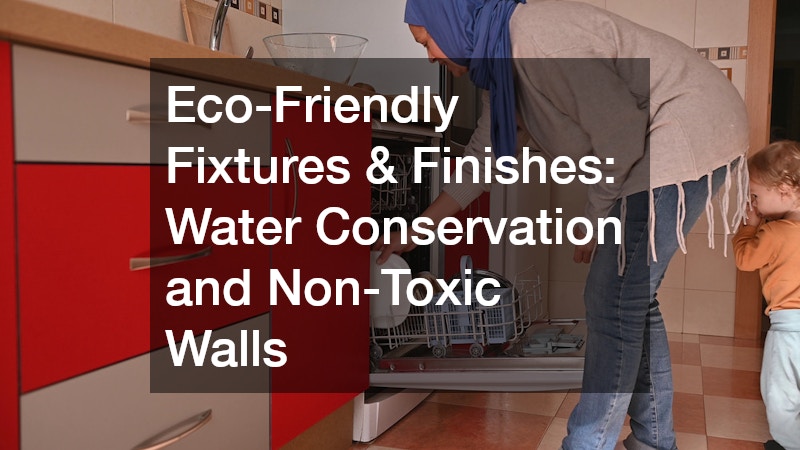
The final layers of a kitchen modernization—plumbing fixtures, lighting, wall finishes, and trim—play a disproportionate role in the health, safety, and water efficiency of the space. While large appliances and countertops command the initial budget, small detail decisions regarding water flow rates and paint formulations directly impact monthly utility expenses and daily air quality. Selecting water-conserving hardware and non-toxic wall coatings completes the transformation into a truly sustainable environment.
Consider these essential finish and fixture upgrades to maximize water savings and maintain clean air:
- Install High-Efficiency Aerators and Sensor Faucets: Equipping your primary kitchen sink with a low-flow aerator can reduce water consumption to 1.5 gallons per minute or lower without compromising spray pressure. Touchless or motion-activated faucets prevent water from running continuously while rinsing food or washing hands, saving thousands of gallons annually.
- Integrate On-Demand Hot Water Recirculation: Long waits for hot water at the kitchen sink result in gallons of clean water poured straight down the drain. Installing a compact, button-activated hot water recirculation pump delivers hot water instantly, eliminating municipal water waste.
- Choose Zero-VOC, Scrubbable Paints: Kitchen walls are exposed to steam, grease splatters, and frequent cleaning. Select zero-VOC interior paints in washable satin or semi-gloss sheens to maintain bright, easy-to-clean walls without releasing harmful chemical fumes into your living areas.
- Upgrade to Fully Integrated LED Lighting: Replace all incandescent or fluorescent fixtures with warm-tone, high-CRI (Color Rendering Index) LED task and ambient lighting. LEDs consume up to 80% less energy, produce minimal heat, and last for decades, drastically lowering power requirements.
Proper plumbing upgrades require precision to prevent hidden leaks that can ruin cabinetry and subflooring over time. Working with professional plumbing services ensures that new shut-off valves, low-flow fixtures, and filtration systems are leak-free and compliant with current water-efficiency codes. Similarly, achieving a durable, smooth wall finish that withstands kitchen humidity requires thorough surface preparation and specialized application techniques. Hiring experienced interior painting companies guarantees that non-toxic paints are applied evenly over properly primed surfaces, providing a long-lasting, washable finish that maintains indoor air quality.
Modernizing a kitchen for efficiency and sustainability goes far beyond adopting temporary design trends or assembling a list of green product labels. It represents a comprehensive rethink of how energy, water, and materials flow through one of the most frequently used spaces in your home. By optimizing spatial flow to reduce thermal stress, choosing low-emission cabinetry, upgrading to precise induction cooking, selecting durable recycled countertops, and insisting on water-conserving plumbing hardware, you create a space that operates with minimal waste and maximum performance.
Taking a deliberate, phased approach to your kitchen update protects your long-term investment. Every choice—from the underlying electrical wiring behind the drywall to the zero-VOC topcoat on the walls—works together to cultivate a healthier indoor environment, lower monthly utility bills, and reduce daily resource consumption. When designed with foresight and built with quality components, an efficient, eco-friendly kitchen delivers everyday comfort, outstanding functionality, and enduring value for years to come.